Legal Support on Sanctions Matters Navigating Compliance and Regulatory Challenges
Legal Support on Sanctions Matters: Navigating Compliance and Regulatory Challenges
In today’s globalized world, organizations often face intricate legal landscapes influenced by sanctions policies and regulations. legal support on sanctions matters is essential for businesses seeking to operate within the bounds of the law while minimizing compliance risks. This article will delve into the complexities of sanctions, the implications for businesses, and the invaluable role legal professionals play in navigating these challenges.
The Importance of Sanctions Compliance
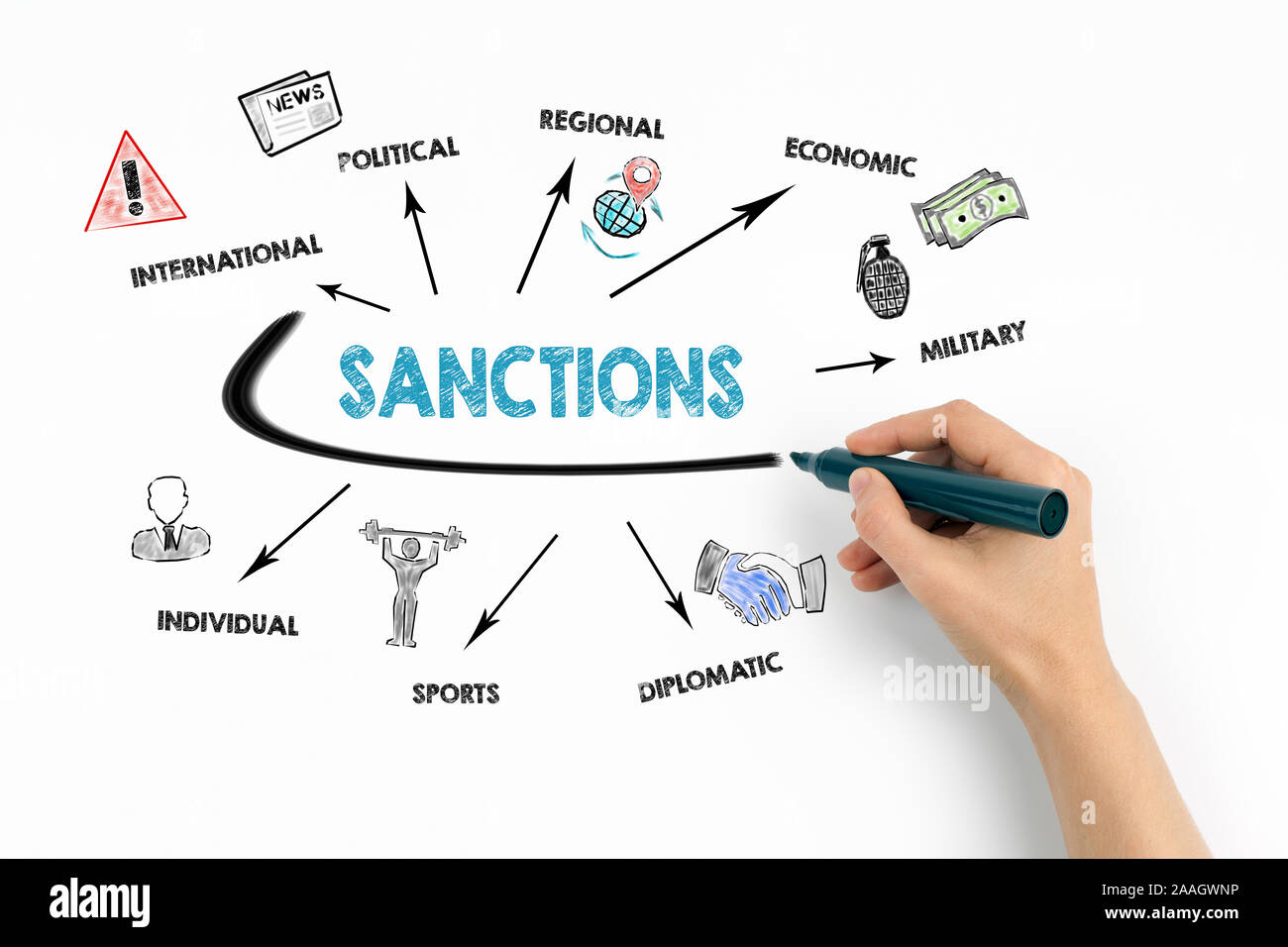
Sanctions are restrictive measures imposed by governments or international bodies, aimed at promoting foreign policy objectives, including national security and human rights. The failure to comply with these sanctions can lead to severe penalties, both financial and reputational. Compliance with sanctions is not merely a matter of following rules; it requires a deep understanding of the legal environment that varies significantly across jurisdictions.
Organizations must be vigilant about the sanctions that apply to them, whether they are due to international trade, investment activities, or collaborations with foreign entities. Understanding the scope of these regulations is paramount. For instance, companies must evaluate their relationships with suppliers, customers, and partners to ensure they are not inadvertently transacting with sanctioned individuals or entities.
Complexities in Sanctions Regulations
Sanctions can be broad and multifaceted, often encompassing a range of sectors and activities. There exist comprehensive sanctions – which ban all trade and financial transactions with a targeted country – as well as targeted sanctions which focus on individuals, entities, or specific sectors. Each sanction regime comes with its own set of rules and exceptions that demand expert interpretation and application.
Moreover, sanctions are dynamic; they can change rapidly in response to geopolitical shifts. As countries impose new sanctions or modify existing ones, businesses must be proactive in adjusting their compliance strategies. This environment creates a pressing need for organizations to partner with legal experts who specialize in sanctions to remain informed and compliant.
The Role of Legal Professionals
Legal professionals play a critical role in helping organizations navigate sanctions. They provide comprehensive guidance that includes:
- Regulatory Analysis: Legal experts assess the sanctions regime applicable to the client, identifying risks and opportunities specific to their industry and operations.
- Compliance Programs: They assist companies in developing robust compliance programs that incorporate internal policies, employee training, and monitoring mechanisms.
- Due Diligence: Legal support often involves conducting due diligence on third parties to ensure compliance with sanctions regulations, reducing the risk of inadvertent violations.
- Litigation Support: In case of penalties or legal disputes arising from sanctions violations, legal professionals can represent clients in negotiations or litigation.
Developing a Sanctions Compliance Strategy
Establishing an effective sanctions compliance strategy is essential. Organizations should consider the following steps:
- Risk Assessment: Conduct a thorough assessment of how sanctions affect the organization, identifying potential risks in international trade, investments, and partnerships.
- Policy Development: Create clear policies outlining the responsibilities of employees in relation to sanctions compliance.
- Training Programs: Implement regular training sessions for staff to heighten awareness of sanctions and promote a compliance-oriented corporate culture.
- Monitoring and Auditing: Continuously monitor operations and periodically audit compliance programs to ensure they remain effective and up-to-date.
Conclusion
In conclusion, as the landscape of international relations continues to evolve, the necessity for skilled legal support on sanctions matters becomes increasingly apparent. Organizations that take proactive measures to understand and comply with sanctions not only protect themselves from legal repercussions but also uphold their reputations in a complex market.
Seeking expert legal guidance is a critical investment in ensuring compliance with sanctions regulations, and organizations should prioritize these partnerships to safeguard their operations. In an era where every transaction is scrutinized, legal support is not just a luxury, but an essential component of sustainable business practice.