


Understanding OFAC Blocked Transactions Implications and Guidelines 1523143785
Understanding OFAC Blocked Transactions: Implications and Guidelines
In an increasingly interconnected world, understanding the implications of OFAC blocked transactions https://aproquen.org/articles/ofac-blocked-transactions-explained.html is crucial for businesses and individuals alike. The Office of Foreign Assets Control (OFAC), a division of the U.S. Department of the Treasury, plays a significant role in enforcing economic and trade sanctions. These sanctions can have far-reaching effects on international transactions, impacting financial systems and business operations globally.
What is OFAC?
OFAC administers and enforces economic and trade sanctions based on U.S. foreign policy and national security goals. It publishes a list of sanctioned countries, individuals, and entities, known as the Specially Designated Nationals (SDN) list. Engaging in transactions with SDNs or in sanctioned jurisdictions can result in blocked transactions, which can have severe consequences for those involved.
What Are Blocked Transactions?
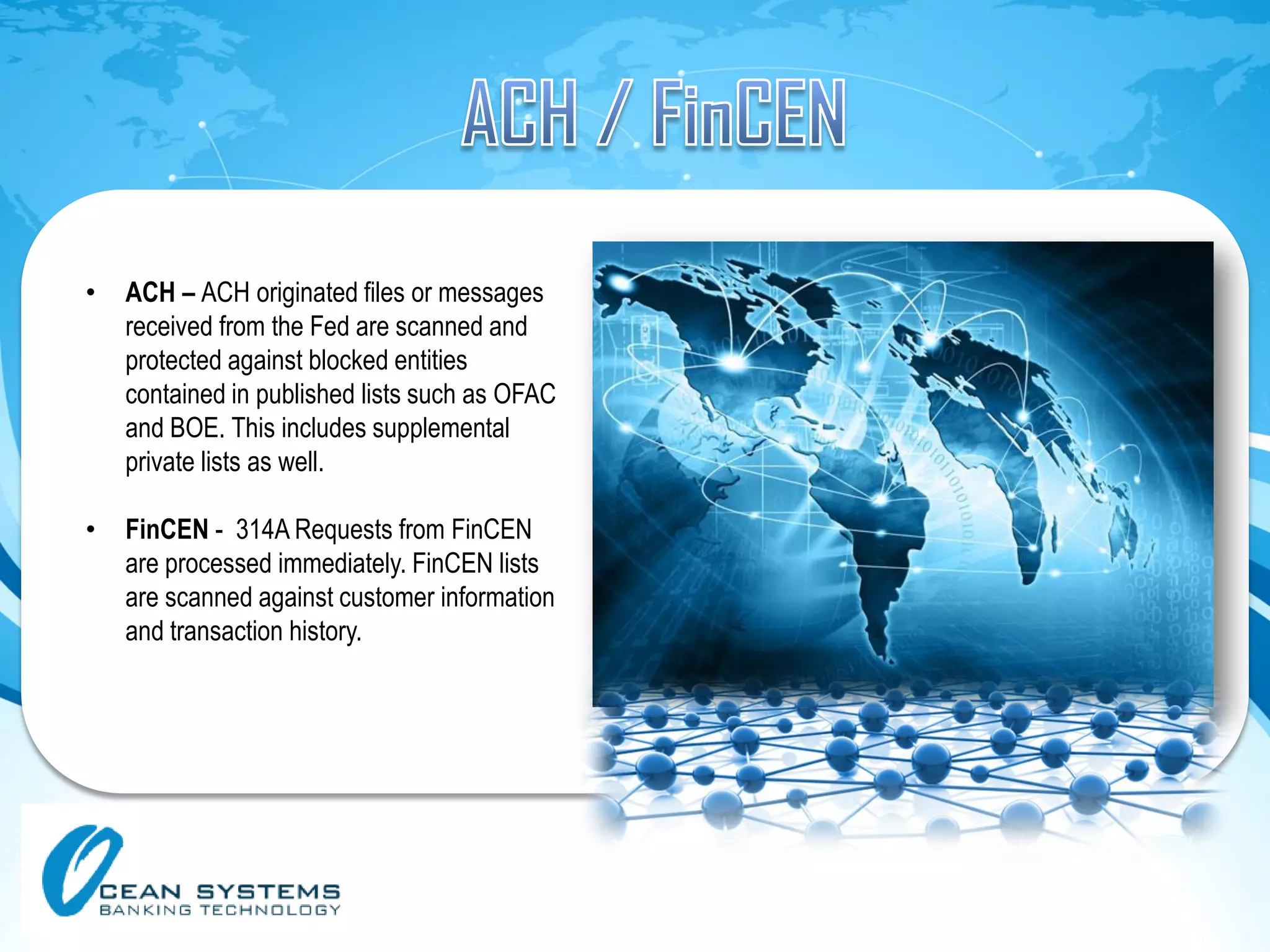
Blocked transactions are financial transactions that involve individuals, entities, or countries that the OFAC has identified for sanctions. When a transaction is blocked, it means that the U.S. financial institutions are prohibited from processing or completing it. This can include anything from wire transfers to trade in goods and services. Transactions may be automatically blocked at the point of processing if they involve a sanctioned party, and financial institutions are required to report these blockages to OFAC.
Why Are Transactions Blocked?
The primary reason for blocking transactions is to prevent U.S. individuals and entities from being complicit in activities that the U.S. government deems harmful. These may include supporting terrorism, proliferation of weapons of mass destruction, or infringing upon human rights. By blocking financial transactions involving sanctioned parties, the U.S. aims to limit their access to resources that could further their activities.
Implications of Blocked Transactions
Blocked transactions can have significant implications for businesses and individuals. These include:
- Financial Losses: If a transaction is blocked, the entity involved may experience immediate financial losses, which could escalate depending on the nature of the transaction.
- Legal Ramifications: Engaging in transactions with blocked entities can result in various legal challenges, including penalties, fines, and reputational damage.
- Operational Disruption: Businesses may face disruptions in their supply chains or operational processes if key partners are sanctioned.
- Complications in Planning: Companies engaging in international business must navigate a complex web of regulations, making strategic planning difficult.
How to Determine if a Transaction is Blocked
To understand whether a transaction may be blocked, businesses can take the following steps:
- Check the OFAC SDN List: Regularly consult the OFAC SDN list to confirm that potential partners are not sanctioned.
- Compliance Programs: Develop robust compliance programs that include regular training for employees on sanctions regulations.
- Screen Transactions: Implement systems to screen transactions against sanctioned entities and individuals.
- Maintain Documentation: Keep detailed records of transactions and decisions related to compliance efforts.
Penalties for Non-Compliance
Failing to comply with OFAC regulations can result in severe penalties. Organizations can face civil penalties of up to $307,922 per violation or twice the value of the transaction. Criminal penalties can also apply, resulting in fines and imprisonment for individuals involved. The stakes are particularly high for financial institutions, which can face sanctions for facilitating transactions that violate OFAC rules.
Best Practices for Navigating OFAC Regulations
To effectively navigate OFAC regulations and minimize the risk of blocked transactions, businesses should adopt best practices, including:
- Risk Assessment: Conduct thorough risk assessments to understand potential exposure to sanctions.
- Regular Audits: Perform regular audits of compliance programs to identify weaknesses and address them promptly.
- Third-Party Due Diligence: Conduct due diligence on third parties and partners to ensure they are not involved with sanctioned entities.
- Stay Informed: Keep abreast of changes in sanctions regulations as they can change frequently. Subscribe to updates from OFAC to ensure compliance.
Conclusion
In conclusion, OFAC blocked transactions represent a critical area of concern for businesses and individuals engaged in international transactions. Understanding the implications, the reasons behind these regulations, and how to comply with them is essential. By remaining vigilant and informed about OFAC regulations, entities can protect themselves from substantial legal and financial repercussions.